When the heart beats slower than 50 bpm, it is considered a serious medical condition called bradyarrhythmia. This condition results in reduced blood flow to the brain and other organs, leading to symptoms like dizziness, loss of consciousness, breathlessness, and even sudden cardiac death. To treat this condition, pacemakers are used to ensure that the heartbeat does not slow to a dangerously low rate. These small, battery-operated devices are usually implanted below the collarbone and send electrical signals to the heart to maintain a regular rhythm.
For decades, traditional pacemakers have been life-saving devices for managing heart rhythm disorders, helping people lead healthier lives. However, they often stimulate the heart chambers broadly without targeting its natural electrical pathway. This can lead to inefficient synchronization of the heart’s chambers, resulting in poor heart pumping and, in some cases, heart failure.
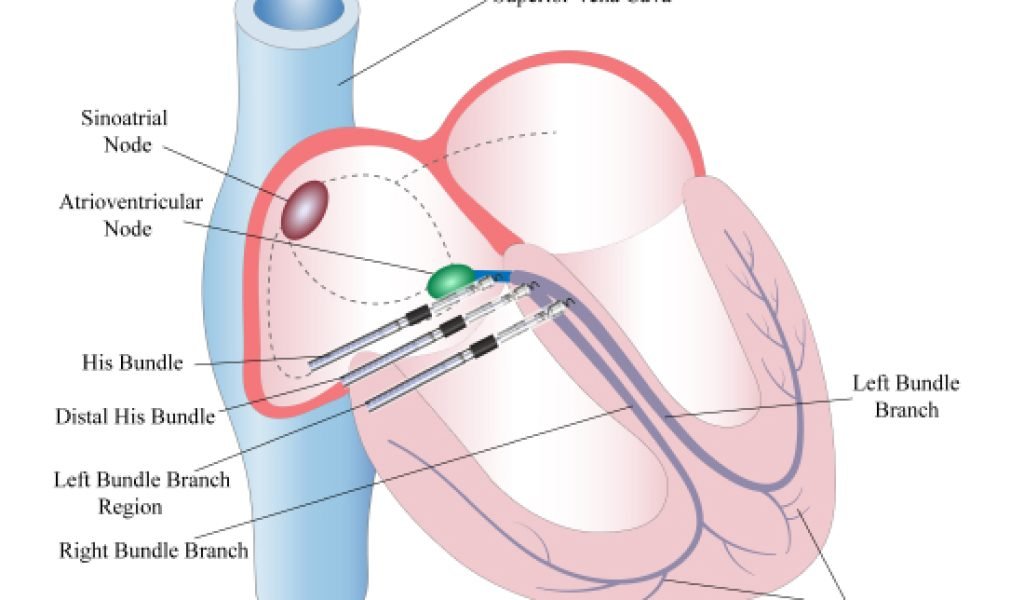
Dr.Dhananjay Kumar Senior consultant cardiologist at Bhagwan Mahavir Manipal Hospital Ranchi & trainer for advance cardiac procedures explains that advances in medical technology have led to more sophisticated pacemakers. One such innovation is Conduction System Pacing (CSP), a technique that mimics the heart’s natural electrical activity. CSP provides the necessary therapy while avoiding complications sometimes associated with traditional pacing methods, such as cardiomyopathy. This cutting-edge technology ensures that pacing closely mimics the heart’s natural contractions, allowing the heart’s ventricles to work in coordination by sending electrical pulses directly to the heart’s electrical signal conducting cells.
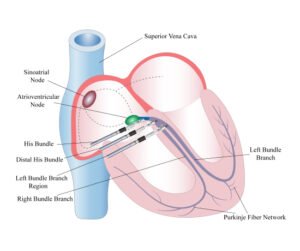
Our heart has its own built-in electrical system, called the conduction system, which sends electrical signals throughout the heart to determine the timing of the heartbeat and cause the heart to beat in a coordinated, rhythmic pattern. The conduction system stimulates precise contractions of the heart’s chambers to ensure effective blood pumping.
Early studies reveal that conduction system pacing can significantly enhance cardiac performance, ease heart failure symptoms, and reduce hospitalizations compared to traditional pacemakers5. It has proven particularly beneficial for patients with heart failure and left bundle branch block (LBBB), significantly improving heart failure symptoms and heart function.
With its potential to improve overall heart function and boost quality of life, this innovation is redefining what’s possible in the treatment of heart conditions. For patients and doctors alike, conduction system pacing offers a new ray of hope